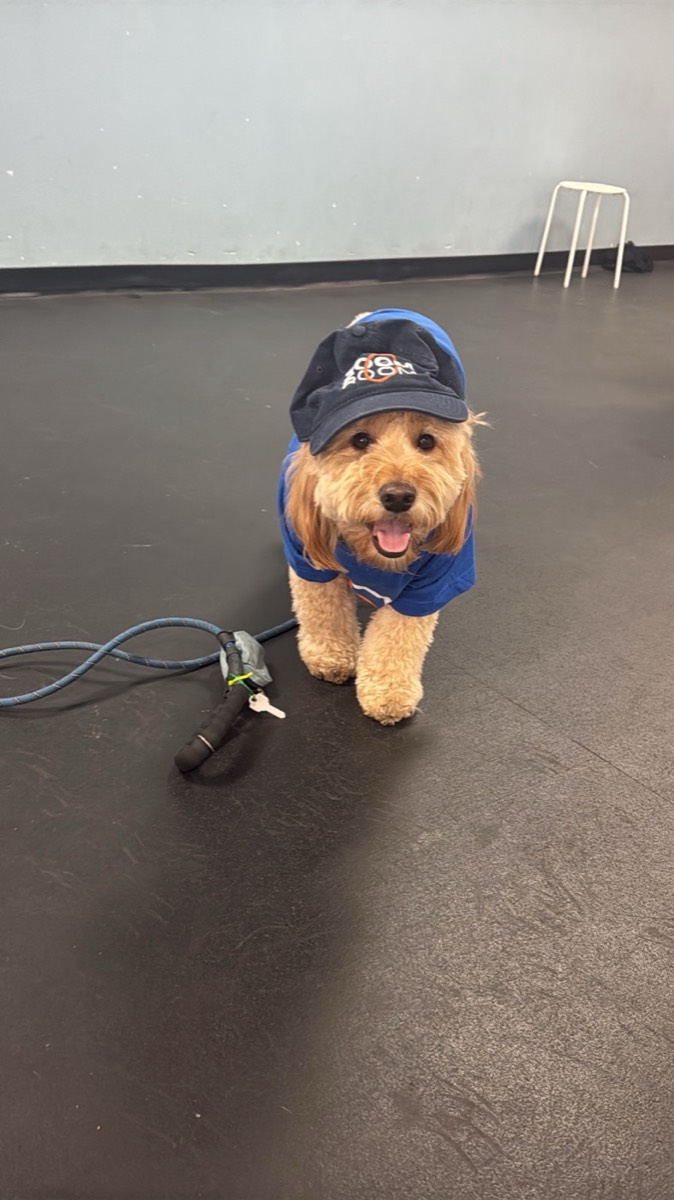
Potty training is the first real test of whether you can actually do this dog-owning thing, and it arrives before you've had a chance to prepare. There's no trick that fixes it faster, no magic phrase to say at the door. It's repetition, a schedule you stick to even when you're tired, and a plan for the accidents that happen no matter how well you're doing. Here's what actually gets a puppy there.
Jump to a section
Why Consistency Beats Any Trick
There is no training hack that replaces a predictable routine. Puppies learn by repetition and pattern, not by a single lightbulb moment, which means the owner who takes their puppy to the same spot at the same times every day will beat the one chasing tips from a forum post, every time. The boring version of potty training is the one that works. If you're looking for a shortcut, the shortcut is doing the unglamorous thing consistently enough that it stops being a decision.
This also means everyone in the house needs to be on the same schedule. A puppy who gets taken out every two hours by one person and left to wander for four by another is getting mixed signals, and mixed signals are exactly what slows this down.
Build the Schedule and Actually Follow It
Young puppies generally need a bathroom break after they wake up, after they eat, after a play session, and roughly every one to two hours in between, with that window stretching as they get older. Take them to the same spot outside every time. The scent cue from previous trips actually helps signal what they're there to do, which is part of why pacing around a new patch of grass each time slows the process down.
Stay outside with them until it happens, rather than opening the door and hoping. Reward immediately, within a few seconds, not after you're back inside. Timing is the whole game here. A treat given thirty seconds too late teaches a puppy that walking back toward the house is the rewarded behavior, not the actual bathroom part.
Reading the Signs Before the Accident
By the time a puppy is squatting, the window to redirect them outside is basically gone. The useful signals come earlier: circling, sniffing the floor with real intent, suddenly wandering off from play, or heading toward a spot they've used before. Catching one of those and moving fast beats any amount of cleanup after the fact.
A schedule gets you most of the way there, but a puppy who suddenly stops playing to sniff a corner is telling you something the clock can't. Treat that as an interruption worth acting on immediately, not something to finish the game first.
What to Do When They Mess Up Anyway
Accidents are part of the process, not a sign you're doing it wrong. If you catch one happening, a calm, short interrupt and an immediate trip outside is more useful than any reaction with volume behind it. If you find one after the fact, clean it and move on. A puppy genuinely cannot connect a reaction from you to something that happened fifteen minutes ago, so anger at that point only teaches them that you're occasionally unpredictable, which does nothing for the actual problem.
Clean accidents with an enzymatic cleaner rather than a standard household product. Regular cleaners can leave a scent trace that's invisible to you but obvious to a puppy's nose, which quietly tells them the spot is fair game again. It's also worth keeping a bag of training treats by the door so you're never scrambling to find one right when a good trip outside needs rewarding.
How Long This Actually Takes
Most puppies have the basic concept down within four to six weeks of real consistency, but full reliability takes longer, often closer to six months, and bladder control genuinely improves with physical maturity, not just training. A four-month-old puppy cannot hold it as long as an eight-month-old one no matter how good your schedule is, so some of this is just waiting for their body to catch up to the training. Progress rarely looks like a straight line. A good week followed by a rough one is normal, not a setback that means you're starting over.
Frequently Asked Questions
How long does it take to potty train a puppy?
Most puppies get the basic idea in four to six weeks of consistent effort, but full reliability, including holding it overnight and not sneaking off mid-playdate, often takes closer to six months. Bladder control is partly physical and improves with age, so a four-month-old puppy genuinely cannot hold it as long as an eight-month-old one, no matter how good your schedule is.
Should I punish a puppy for having an accident?
No. A puppy doesn't connect a scolding minutes later to something they did in the past, so punishment after the fact just teaches them you're unpredictable, not that the carpet is off limits. If you catch them mid-accident, a calm interrupt and an immediate trip outside works better than anger either way.
Why does my puppy still have accidents right after coming in from outside?
Puppies get distracted outside by smells, people, and other dogs, and can come back in without actually finishing the job even though they were out there for ten minutes. If accidents happen right after supervised outdoor time, they likely didn't fully empty their bladder before you called it done.
Is crate training necessary for potty training?
Not strictly necessary, but it makes the process faster for most owners because dogs instinctively avoid soiling a space they sleep in. A crate sized so the puppy can stand, turn around, and lie down, nothing bigger, works best, since too much extra room gives them a corner to use as a bathroom. Here's a full guide to crate training if you want to start that alongside potty training.
When should accidents be a vet visit instead of a training problem?
If a previously reliable puppy suddenly starts having frequent accidents, or seems to be straining, going small amounts very often, or has blood in their urine, that's a vet visit, not a training gap. Urinary tract infections and other medical issues can look exactly like a potty training regression.
FREE GOLDENDOODLE GUIDE
Get the Goldendoodle Survival Guide
Everything I wish I'd known before getting Arie. Beach gear, grooming reality, the 7pm witching hour, and more. Free PDF.
No spam. Ever. Unsubscribe anytime.
Have questions? Find us on TikTok @ariepup!
← Back to the Blog