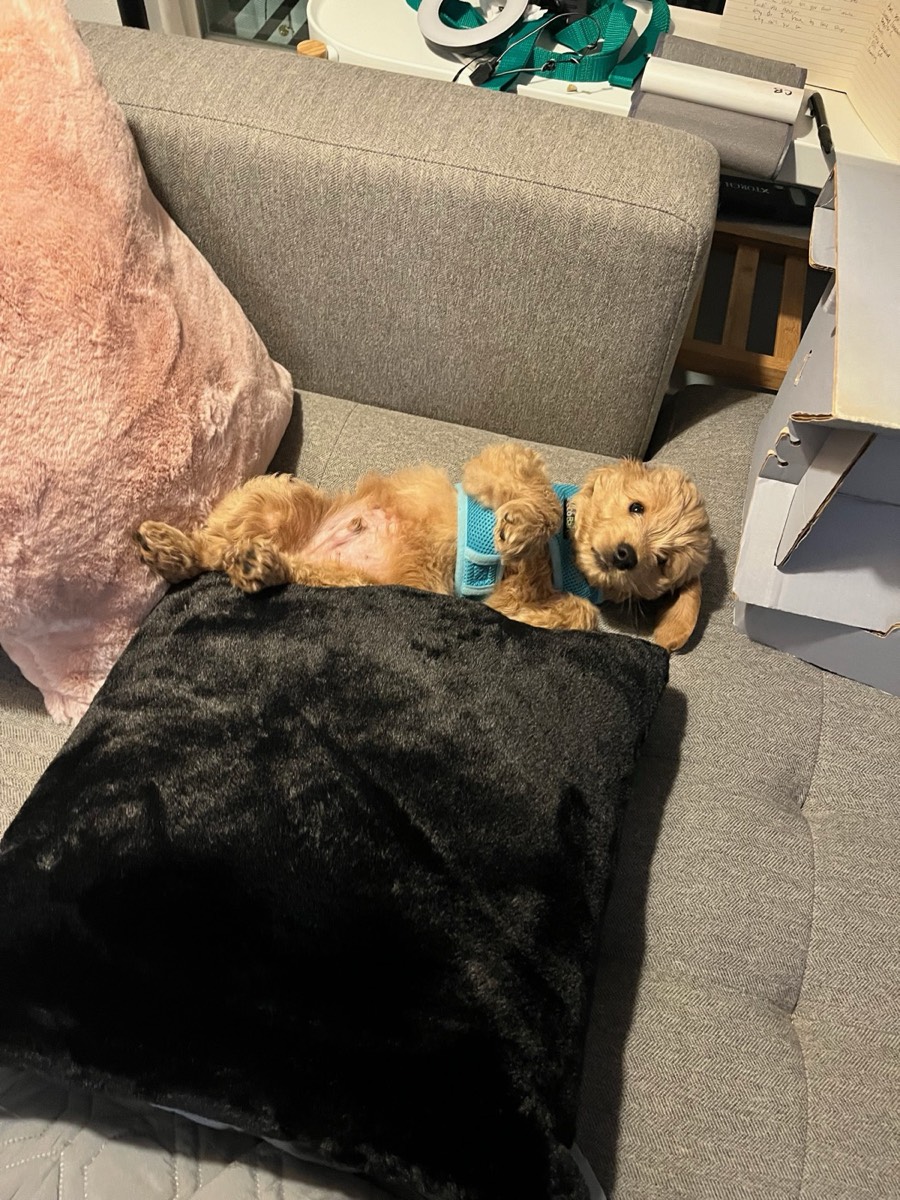
Everyone who sees a Goldendoodle photo thinks they want one. Everyone who actually owns one has a version of the same story: "I had no idea." Not in a bad way, necessarily. But the gap between expectation and reality is wide, and it would have been nice to know a few things before signing on.
Jump to a section
The Coat Is a Commitment
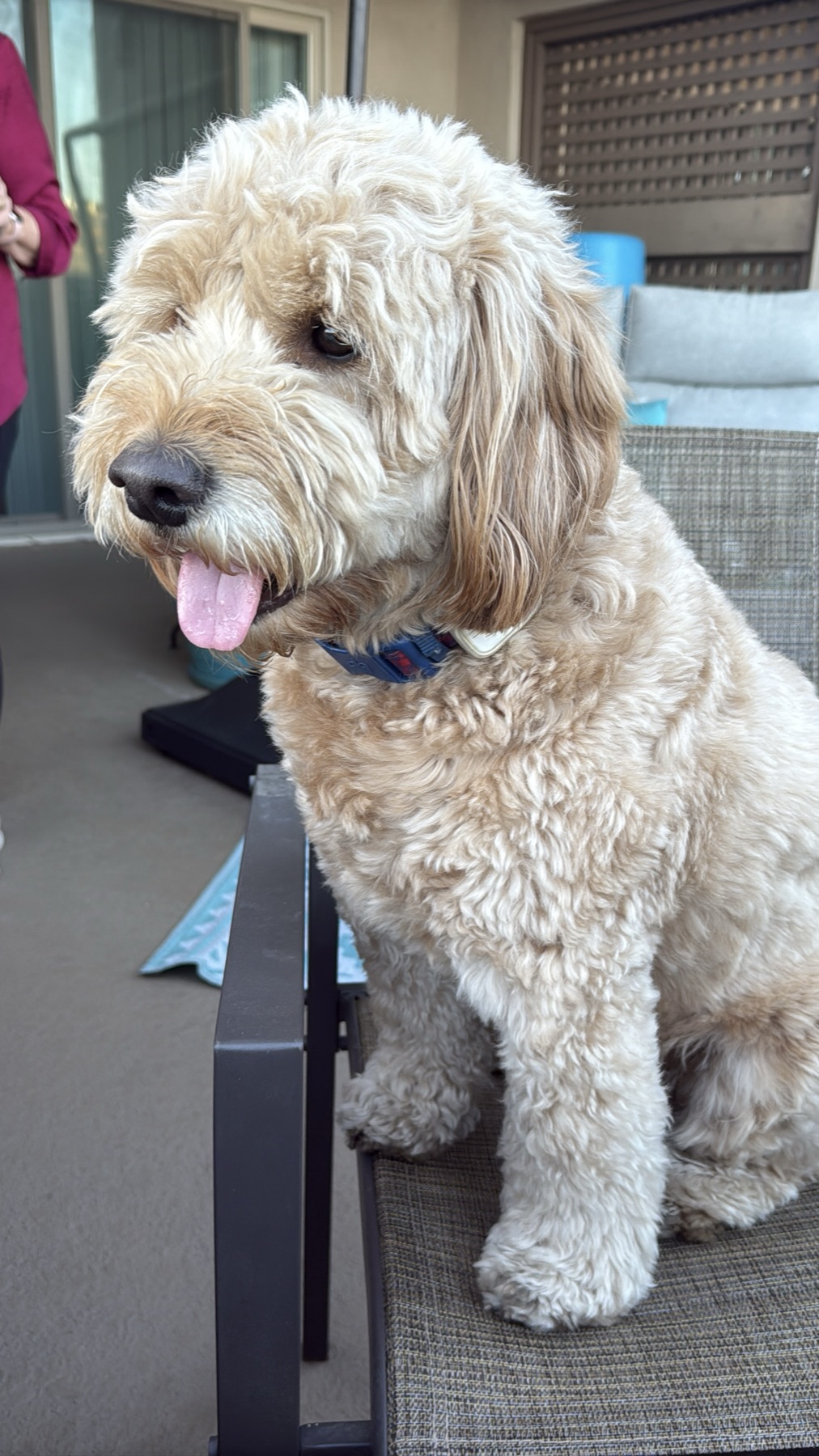
People see the curly, fluffy coat and think: cute, low-shedding, easy. Two out of three. The coat is genuinely beautiful and mostly doesn't shed across your furniture the way a Lab or a Shepherd does. But "low-shedding" is not the same as "low-maintenance," and nobody puts that clearly enough in the breed guides.
That coat mats. It mats in places you'd never think to check, like behind the ears, under the collar, in the armpits, and around the hindquarters. If you skip brushing for a week, you will feel it. If you skip brushing for two weeks, the groomer will charge you extra and say it gently while you feel bad about yourself.
The at-home maintenance is real: a quality slicker brush, a steel comb, and detangling spray used at least three times a week. A slicker brush designed for doodle coats makes the difference between a dog who tolerates brushing and one who treats it like a threat. This is not negotiable. It's just the cost of entry for this coat type.
The Weekly Non-Negotiable
Grooming tools that actually work for doodle coats, tested and approved
See grooming picks on Faves →Grooming Costs Are Real
Professional grooming for a Goldendoodle costs significantly more than you'd pay for most breeds. The coat takes two to three hours to do properly: bath, high-velocity blow-dry, full brush-out, the cut itself, ear cleaning. Groomers charge for time and skill, and this dog requires more of both.
Figure a full groom every six to eight weeks. The annual cost adds up fast, and that's before you factor in the at-home supplies. If budget is a real consideration for you, go into it with accurate numbers. The full first-year cost breakdown covers all of it, including what most people forget to account for.
They Are Smarter Than You
This is not said as a compliment, exactly. Goldendoodles are the product of two highly intelligent working breeds: Golden Retrievers and Poodles. The Poodle half, in particular, is relentlessly problem-solving. You will think you've puppy-proofed something and then discover you were wrong. You will install a baby gate and find the dog on the other side of it, looking completely unbothered.
The intelligence is also what makes them trainable. They pick up commands fast, they read your body language, and they genuinely want to work with you. But that same intelligence means they need mental stimulation as much as physical exercise. A bored Goldendoodle is a creative Goldendoodle, and that creativity typically expresses itself through your belongings.
The Energy Is Not a Phase
Everyone reassures puppy owners with "they calm down eventually." This is true for some breeds. For Goldendoodles, "calm" is relative. They do settle as adults, but they are genuinely high-energy dogs, and they need an outlet every single day. A walk around the block is not enough. A 30-minute game of fetch, a trail hike, a swim, actual running, something that burns real energy.
The evenings when they don't get sufficient exercise are memorable. Not in a fun way.
A long-line training lead is one of the better early investments for recall practice and giving a high-energy doodle some off-leash freedom in a safe, controlled way. A 30-foot training lead is useful until your recall is solid enough to trust off-leash in open spaces.
They Will Not Be Fine Alone
Goldendoodles are velcro dogs. The Poodle side has an instinct to be close to their person. The Golden side is cheerfully social with everyone. The combination produces a dog who is deeply attached to their family and does not handle isolation without work.
This doesn't mean you can never leave the house. It means you need to do the work: crate training, gradual alone-time practice, and a departure routine that doesn't turn the dog into a countdown timer. If you work from home now and plan to return to an office later, that transition matters and it takes time. Start the independent-time practice while you're still home.
For the Anxious Moments
Calming products that actually help with stress and separation
See calm picks on Faves →The Puppy Phase Is Long
Goldendoodles are considered puppies until around two years old. That's two years of mouthing, selective hearing, testing every boundary you set, and a level of enthusiasm about the world that does not match your 7am caffeine status. It is a long time. This is not a complaint, exactly. It is advance warning.
The flip side: all that time in the puppy phase is time you can use. Training, socialization, building your relationship. The work you put in during the first two years determines who the adult dog is. That investment is worth making. Just know it is an investment, not a sprint.
The Stuff That Surprised Me in a Good Way
The social life. Owning a Goldendoodle is a conversation starter every single time you leave the house. Strangers will stop their cars. Children will lose their minds. You will meet more people in your neighborhood than you ever did before. It is a lot, and also kind of wonderful.
The emotional attunement. These dogs read the room. When things are hard, they show up differently. When you're happy, they amplify it. The intelligence that can be exhausting is the same intelligence that makes them remarkably good company.
The chaos is real and persistent. So is the payoff. Just go in knowing what you're actually signing up for, and you'll be fine. Most people are.
The things worth researching before getting a Goldendoodle: your groomer situation, your training plan, your realistic exercise capacity, and your home-alone strategy. The coat, the cost, and the energy are all manageable with preparation. They're just different from what the Instagram photos suggest.
Frequently Asked Questions
Are Goldendoodles hard to take care of?
They're not hard, but they're high-maintenance in specific ways: the coat requires consistent at-home brushing and regular professional grooming, they need real daily exercise, and they require significant mental stimulation. People who go in knowing this have a much smoother experience than people who don't.
Do Goldendoodles have separation anxiety?
They're predisposed to it because both parent breeds are people-oriented dogs. With the right crate training and gradual alone-time practice, most Goldendoodles can handle being alone for reasonable periods. The key word is "practice": it takes work, especially early on.
At what age do Goldendoodles calm down?
Most owners report a noticeable shift around 18 months to 2 years. Some dogs settle earlier, some take longer. "Calm" is relative for this breed; they stay playful and energetic well into adulthood. They just get better at regulating it.
Are Goldendoodles good for first-time dog owners?
Generally yes, with caveats. Their trainability and temperament make them forgiving of first-timer mistakes. The coat maintenance and energy requirements can catch new owners off guard, but nothing about caring for them is particularly technical. Research first, then commit.
How much does it cost to own a Goldendoodle?
The first year is the most expensive: the purchase price, initial vet visits, supplies, training, and grooming add up quickly. Annual ongoing costs are primarily grooming, food, and vet care. For the full breakdown, the first-year cost post covers the real numbers.
Dutch Vet: Telehealth for $11/month
Licensed vets on your phone in hours, not days. Good for the "is this worth a vet visit?" questions that come up constantly in the first year. It's paid for itself in skipped co-pays more than once.
Try Dutch for $11/month →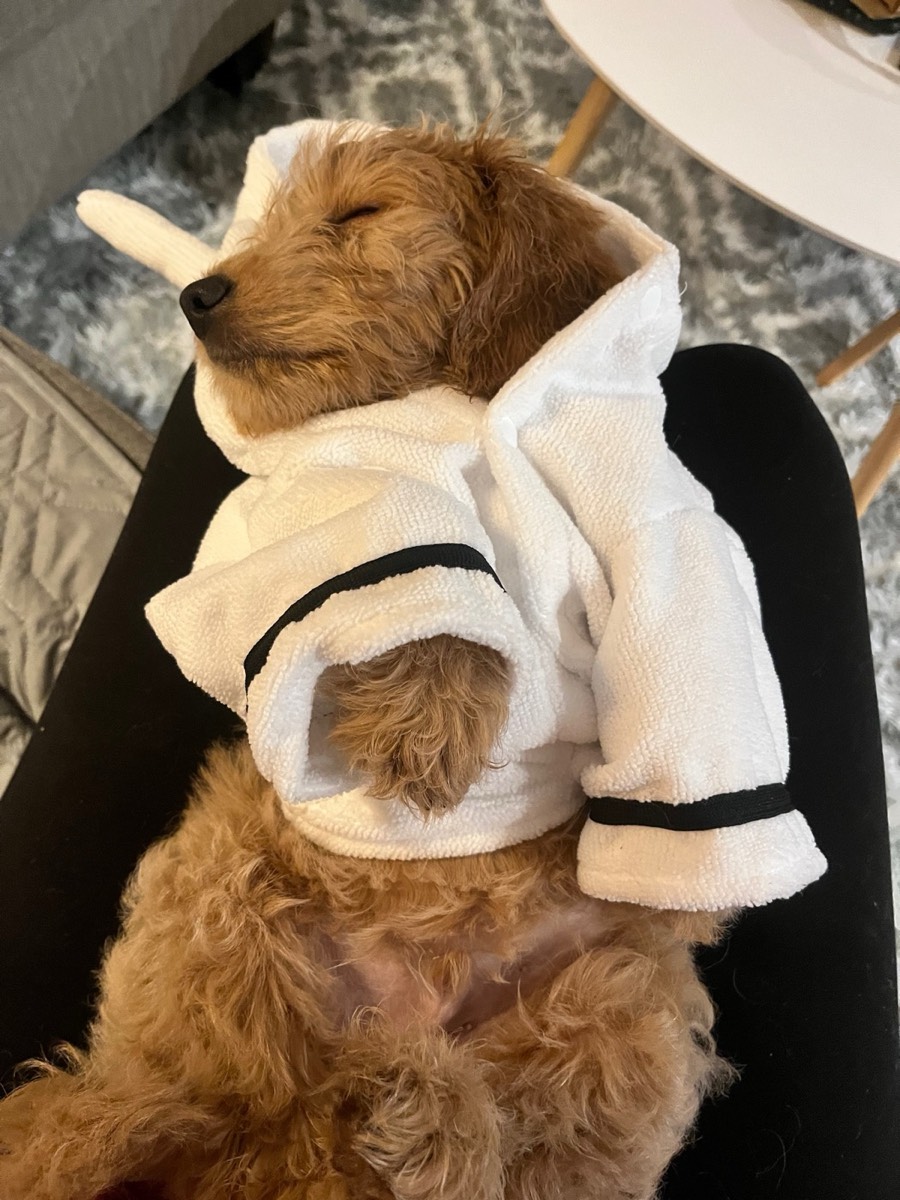
FREE GOLDENDOODLE GUIDE
Get the Goldendoodle Survival Guide
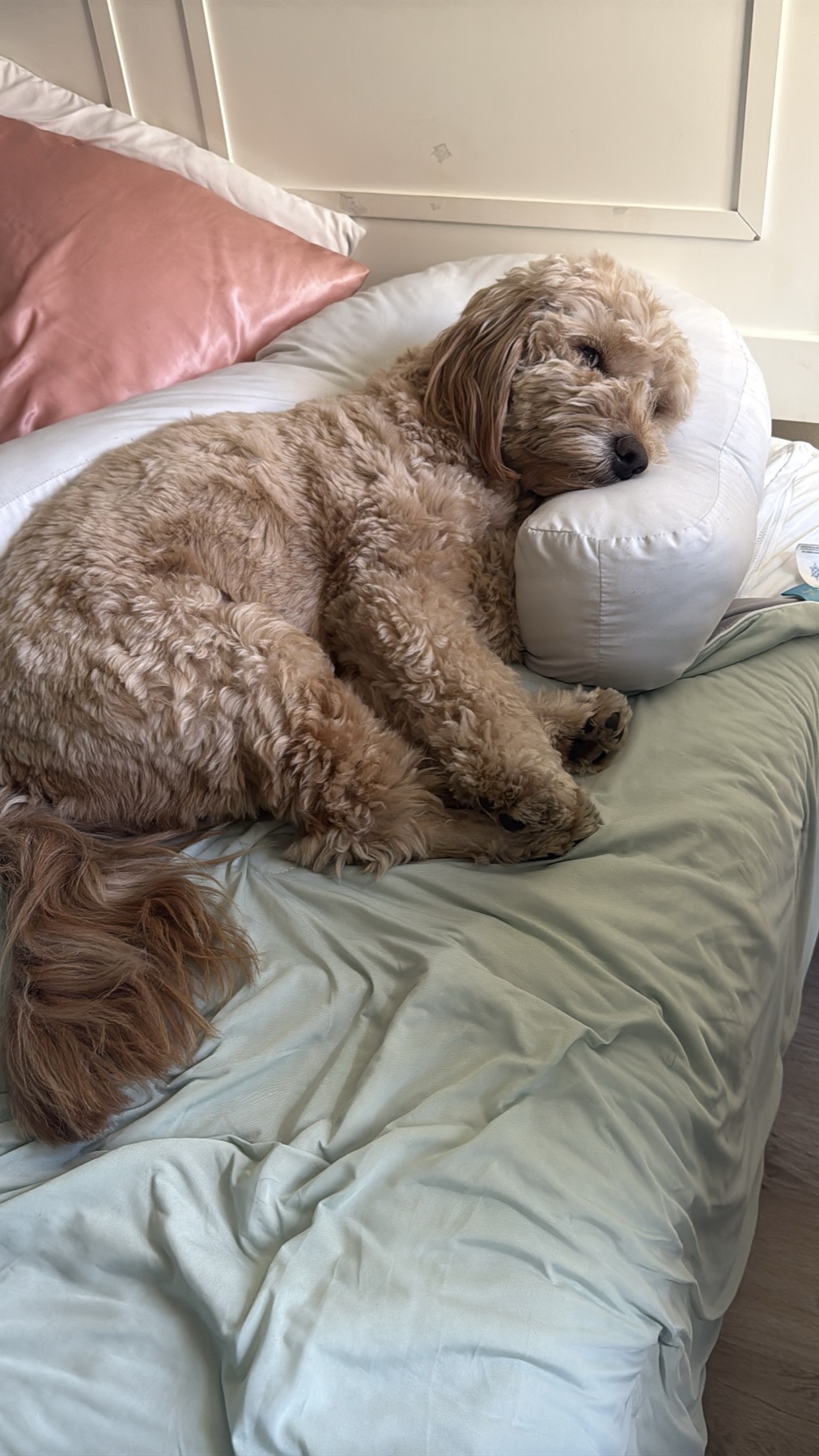
Everything I wish I'd known before getting Arie. Beach gear, grooming reality, the 7pm witching hour, and more. Free PDF.
No spam. Ever. Unsubscribe anytime.
Have questions? Find us on TikTok @ariepup!
← Back to the Blog