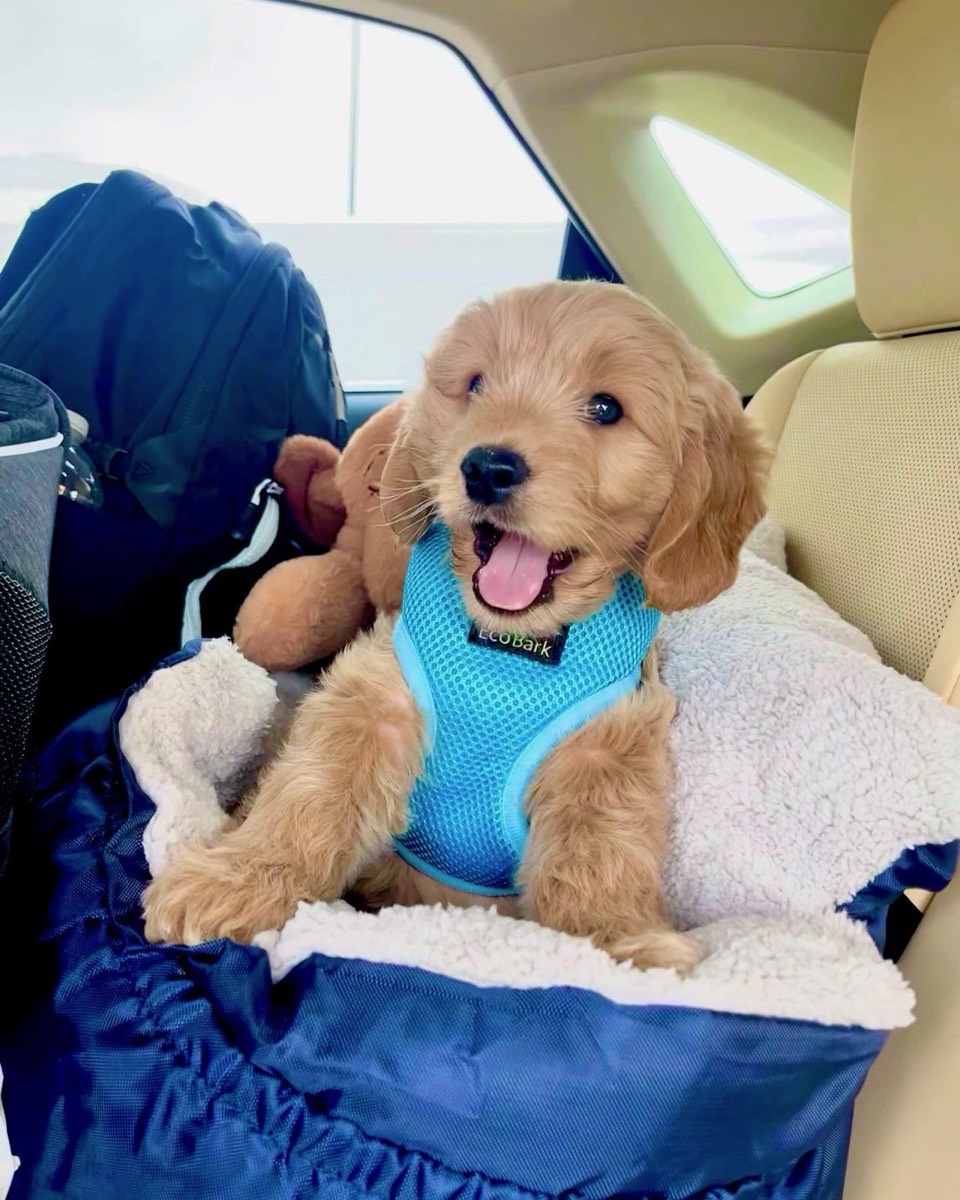
Getting a second dog is exciting for exactly one member of the household, and it isn't the dog who already lives there. Your current dog did not vote on this. He had a routine, a set of resources he considered his, and zero warning that a stranger was about to move in. How the first meeting goes sets the tone for everything after it, so it's worth doing on purpose instead of just opening the front door and hoping.
Jump to a section
Before the Dogs Meet
Do a supply run first. Two dogs need two of everything for a while, separate bowls, separate beds, separate toys, so nobody has to negotiate over resources on day one. Resource guarding is one of the most common flashpoints between dogs who otherwise get along fine, and it's much easier to prevent than to undo once a habit forms.
Make sure your resident dog is up to date on vaccinations and generally healthy before any nose-to-nose contact, and ask whoever is placing the new dog with you the same. A sick dog and a healthy dog meeting closely is how one becomes two.
The First Meeting: Neutral Territory
Meet somewhere that belongs to neither dog. A sidewalk a few blocks from home, a quiet corner of a park, anywhere your resident dog does not already consider his turf. Walking straight into your house or yard skips this step and hands the new dog a fight he didn't ask for, because your current dog is defending home ground instead of just meeting another dog.
Have one handler per dog, both on loose leashes, not tight ones. A tight leash telegraphs tension straight down to the dog, and both dogs will read it. Walk them side by side, same direction, a few feet apart, before letting them get close enough to sniff. Parallel walking lets them get used to each other's presence without the pressure of a face-to-face introduction right away.
When you do let them approach, keep it brief. A few seconds of sniffing, then call them apart and keep walking. Repeat a couple of times. Watch body language the whole time, not just whether tails are wagging. A stiff, high tail and a loose, low wagging tail mean very different things, and it's worth learning the difference before this day arrives.
Bringing Them Home Together
Once the outdoor meeting has gone reasonably well, walk them into the house together rather than bringing the new dog in alone to a waiting resident dog. Let them explore the main living space with everything picked up first, no single favorite toy or bone left out to fight over.
Feed them separately for the first while, in different rooms or crated, even if they seemed completely fine outside. Food is one of the fastest ways a good first impression turns into a bad second one, and there's no upside to testing it early.
Keep the first day low-key. No visitors, no dog park trip, no big exciting event layered on top of an already large one. A boring first day at home is a good first day.
The First Few Weeks
Supervise every interaction for at least the first couple of weeks. That means you're in the room, watching, not scrolling your phone on the couch while assuming it'll sort itself out. Separate the dogs any time you leave the house until you have real trust in how they behave together unsupervised, which is not the same as hoping they'll be fine.
Give your resident dog individual time that doesn't include the new dog, the same walk route, the same one-on-one couch time, whatever his normal was before. Consistency for the dog who was there first goes a long way toward preventing the acting-out that people mistake for jealousy but is really just a disrupted routine.
Separate toys and chew items for longer than feels necessary. Shared toys are one of the last things to introduce, not one of the first, even between two dogs who otherwise seem to like each other fine.
Warning Signs Worth Taking Seriously
Some posturing during a first meeting is normal, a stiff pause, a hard look, even a growl that resolves itself in a few seconds. What's not normal is sustained tension that doesn't ease across multiple sessions: hackles that stay up, repeated snapping instead of a single correction, or one dog going out of his way to avoid or hide from the other every time. Those patterns tend to get worse without intervention, not better with time alone.
When to Call In a Professional
If the introduction stalls out, if either dog is showing real aggression rather than normal boundary-setting, or if you just don't trust your read on the situation, bring in a professional trainer with experience in dog-to-dog introductions before it becomes a bigger problem. This is a case where paying for an expert opinion early is cheaper than months of two dogs who can't be in the same room.
Slow is the fast way to do this. Every step you rush past to get to the part where they're best friends is a step you might have to go back and redo later, except now with a bad memory attached to it.
Frequently Asked Questions
Where should dogs meet for the first time?
Neutral territory, not your home. A sidewalk, a quiet parking lot, or a park your resident dog does not consider his own. Meeting in your house or yard first means the new dog is walking straight into a space your current dog already feels ownership over, which raises the odds of a defensive reaction.
How long does it take for two dogs to get along?
Anywhere from a few days to a few months. Tolerance usually shows up first, in the form of dogs simply ignoring each other in the same room. Real comfort, like relaxed play or sleeping near each other, tends to take longer and cannot be rushed by wanting it to happen faster.
Should I let dogs work it out themselves when they growl?
A growl is communication, not necessarily a crisis, and dogs do use low-level warnings to set boundaries with each other. But you should still be present and ready to interrupt calmly if it escalates. Never leave two dogs who have just met alone and unsupervised, growling or not.
Do resident dogs get jealous of a new dog?
It looks like jealousy but it is usually about resources and routine. A dog who suddenly has to share attention, food, toys, and space can act out in ways that read as jealousy. Keeping the resident dog's individual routine mostly intact during the transition helps more than trying to reason with the behavior.
What are signs a dog introduction is not going well?
Stiff body posture held for more than a few seconds, hard staring, raised hackles that do not settle, repeated snapping, or one dog constantly avoiding or hiding from the other. Occasional posturing during a first meeting is normal. Sustained tension that does not ease up over multiple sessions is not.
FREE GOLDENDOODLE GUIDE
Get the Goldendoodle Survival Guide
Everything I wish I'd known before getting Arie. Beach gear, grooming reality, the 7pm witching hour, and more. Free PDF.
No spam. Ever. Unsubscribe anytime.
Have questions? Find us on TikTok @ariepup!
← Back to the Blog