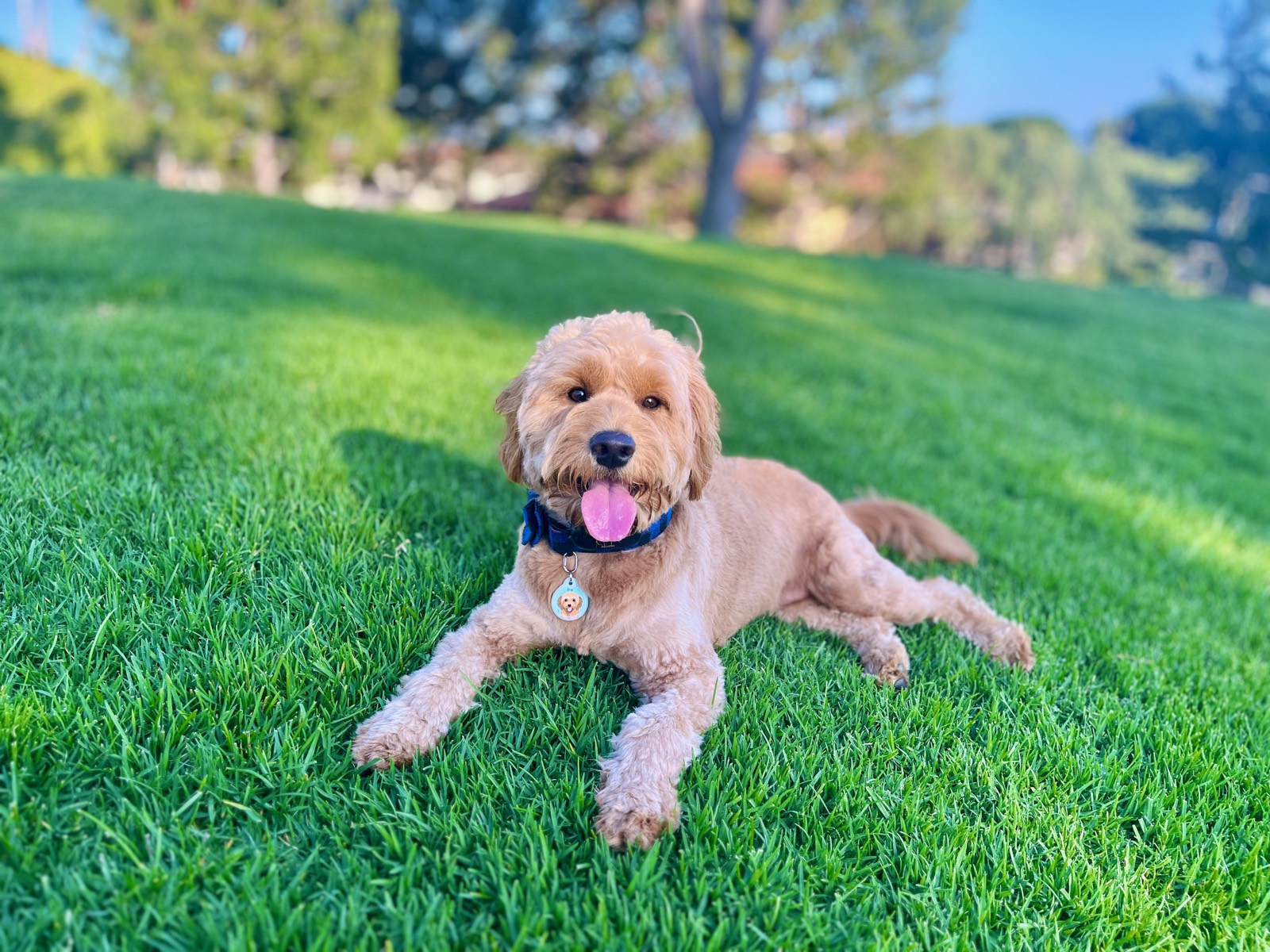
Every night, like clockwork, somewhere between 7 and 9pm, Arie transforms. The calm, cozy dog who was napping on my bed twenty minutes ago is suddenly sprinting laps around the living room at full speed, launching himself off the couch, and making a noise that can only be described as "joyful chaos." Welcome to the witching hour.
What Are the Zoomies, Actually?
The technical term for what your Goldendoodle is doing at 7pm is FRAP — Frenetic Random Activity Periods. It's a real thing with a real name, which means scientists have studied it, which means you are not alone and your dog is not broken.
FRAPs are sudden, intense bursts of energy where dogs run in circles, spin, leap over furniture, and generally behave as though they have consumed an entire pot of coffee and also seen a squirrel. They're completely normal, especially in high-energy breeds like Goldendoodles.
🔬 The Science Bit
Dogs are crepuscular by nature — meaning they're naturally more active at dawn and dusk. Even though our domesticated dogs have adapted to human schedules, that ancient biological clock still ticks. The 7pm witching hour often lines up perfectly with natural sunset timing, triggering a spike in energy that your dog's wolf ancestors would have used for evening hunting.
Why 7pm Specifically?
The evening zoomies tend to happen for a combination of reasons that all pile up around the same time every day:
1. They've been holding it together all day
If your Goldendoodle has spent the day being relatively calm — napping, watching the world, being a distinguished gentleman — all of that bottled-up energy has to go somewhere. By evening, the dam breaks.
2. The temperature drops
In places like Orange County, the evening temperature drop is genuinely noticeable. Cooler air means more comfortable running conditions. Dogs feel this instinctively and respond accordingly by losing their minds.
3. You're finally home and paying attention
If your dog spends part of the day alone, your arrival home is basically the Super Bowl. The excitement of having you back, combined with the energy they've been saving, can trigger the zoomies almost immediately. Arie's witching hour often starts within 20 minutes of me getting home.
4. Post-dinner energy spike
Many dogs get fed in the evening, and the post-meal energy release is real. Blood sugar rises, they feel good, and suddenly the living room is a racetrack. If you want to dial in the timing, shifting dinner slightly earlier can move the post-meal spike to a window where you can take the dog outside before it builds into a full witching-hour meltdown.
Arie's Personal Witching Hour Schedule
Is It a Goldendoodle Thing?
Kind of, yes. Goldendoodles are a mix of Golden Retriever and Poodle — two breeds that were literally bred to work all day. Golden Retrievers were hunting dogs. Poodles were retrieving dogs. Both have enormous energy reserves and a deep, evolutionary need to use them. When you mix those two breeds together and put them in a suburban home in Orange County, some of that energy has to go somewhere. At 7pm, it goes everywhere.
High-energy, intelligent breeds are more prone to FRAPs than calmer breeds. Your Goldendoodle isn't being badly behaved — they're being exactly what they were bred to be, just in your living room instead of a field.
What Should You Do During the Zoomies?
Move fragile things. Anything on a low coffee table will become a casualty. We learned this.
Don't try to stop it. The zoomies will end on their own, usually in 5-15 minutes. Trying to stop a zooming dog is like trying to reason with a tornado.
Redirect outside if possible. If you can get them outside before the zoomies fully start, a garden or yard is a much better racetrack than your living room.
Film it. Seriously. Zooming Goldendoodle content is pure gold. We speak from experience.
Mental Enrichment Pick
PAW5 Wooly Snuffle Mat — burns mental energy before the 7pm window
See it on Faves →Lick = Calm
Hyper Pet Lick Mat — smear on peanut butter, buy yourself 15 quiet minutes
See it on Faves →Fetch Before Dark
Chuckit! Classic Ball Launcher — get the evening fetch session in before 7pm hits
See it on Faves →Can You Reduce Evening Zoomies?
If the witching hour is genuinely disrupting your evening, the most effective approach is a solid afternoon exercise session. A long walk, a swim, or a good play session at 4-5pm can take the edge off the 7pm energy spike significantly. Mental stimulation works too — training sessions, puzzle feeders, or a good sniff walk (letting them stop and smell everything) can tire a smart dog out faster than physical exercise alone. On days when going out isn't happening, a solid indoor enrichment session before the witching hour is the next best substitute.
That said, some zoomies are just going to happen. It's part of owning a Goldendoodle. If you want the full breakdown of surviving the zoomie experience in one piece, we've got that covered too. Embrace the chaos. Make peace with the sock situation. Get a good video.
Frequently Asked Questions
Why does my dog get zoomies at the same time every day?
Dogs are creatures of routine whose bodies sync to your household schedule. The evening zoomies — typically between 5–8pm — happen because dogs have been in a lower-activity state all day and experience a circadian energy release as the evening temperature drops and their person's attention becomes available. It's normal and predictable.
How long do the 7pm zoomies last?
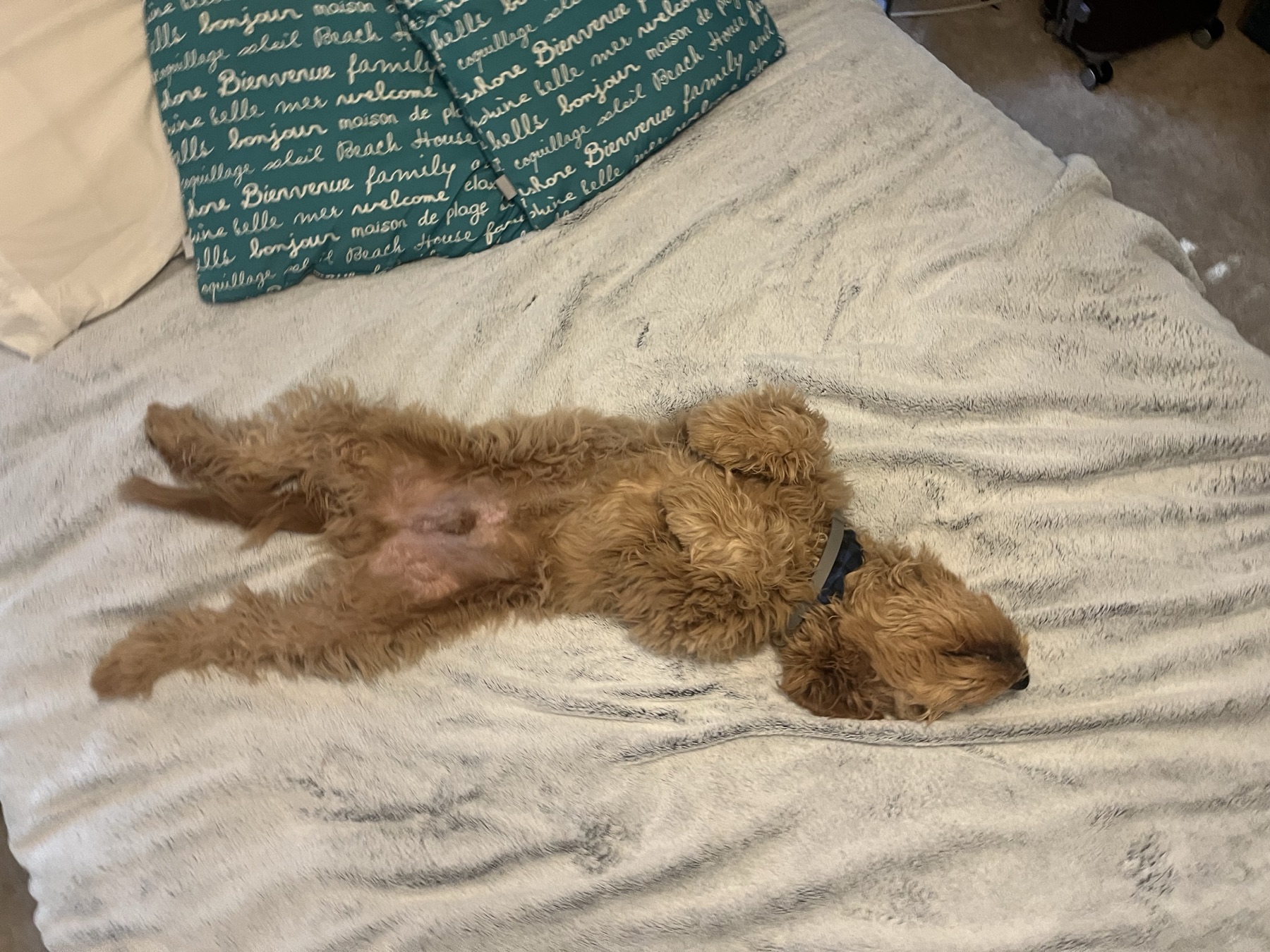
Most zoomie sessions last 5–20 minutes. Goldendoodles can push toward the longer end. After the session ends, most dogs crash immediately and sleep deeply. The intensity-to-nap pipeline is remarkably consistent.
Are zoomies dangerous for my dog?
Generally no — zoomies are a normal behavior and the risk is low. The main injury risk is on slippery floors (clear the path and consider a rug) or running into furniture or people. Avoid calling a zooming dog toward you while they're in full speed; the risk of a collision is real.
Do Goldendoodles get more zoomies than other breeds?
Yes, generally. High-energy breeds with a lot of intelligence and drive — Goldendoodles, Border Collies, Huskies, Australian Shepherds — tend to have more intense and more frequent zoomie episodes. It's a feature, not a bug. It's also not a phase — Arie is almost 4 and the 7pm event still happens.
How can I reduce evening zoomies in my dog?
A structured walk or active play session in the late afternoon is the most effective tool. Mental stimulation — puzzle feeders, training sessions, snuffle mats — also burns energy. The goal isn't to eliminate zoomies (you can't), but to take the edge off so the explosion is smaller.


FREE GOLDENDOODLE GUIDE
Get the Goldendoodle Survival Guide
Everything I wish I'd known before getting Arie. Beach gear, grooming reality, the 7pm witching hour, and one section called “Things You'll Buy and Regret.” Free PDF.
No spam. Ever. Unsubscribe anytime.