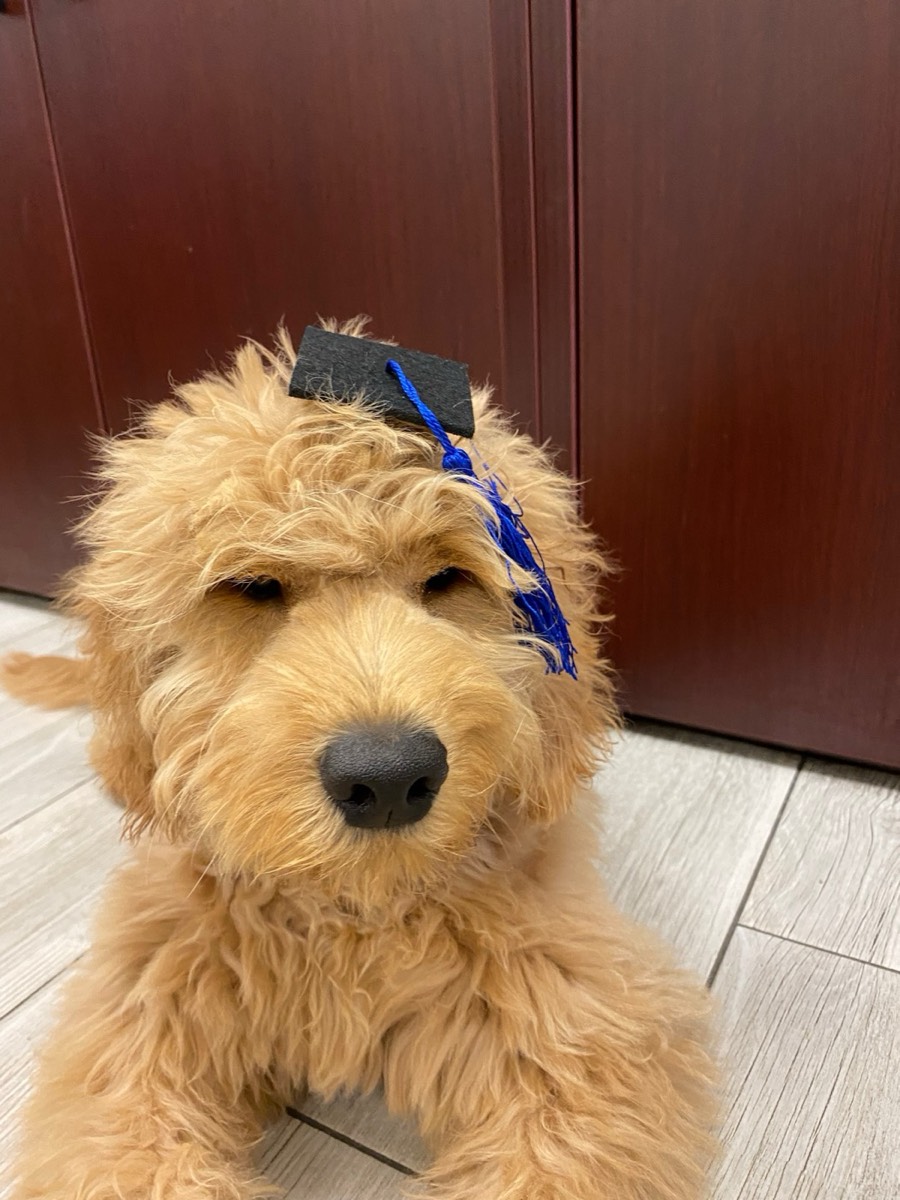
Every Goldendoodle owner has had this conversation. Someone touches your dog, clocks the volume of fluff, and asks: "But I thought they didn't shed?" You pause. The answer is complicated. The short version is: it depends. The long version is this entire post.
The Short Answer
Goldendoodles shed less than Golden Retrievers. Many — especially F1B and multigenerational Goldendoodles with curlier coats — shed very little hair that ends up on your furniture and clothes. But "low-shedding" is not "non-shedding," and no dog is truly non-shedding. The loose hair just has somewhere else to go: into the coat itself, where it tangles and eventually becomes a mat if you don't brush it out.
So the trade-off is real: less hair on your couch, more work on your brush.
It Depends on the Generation
Goldendoodle "generation" refers to how much Golden Retriever vs. Poodle genetics the dog carries. This directly determines coat type and shedding level.
F1 Goldendoodle (50/50)
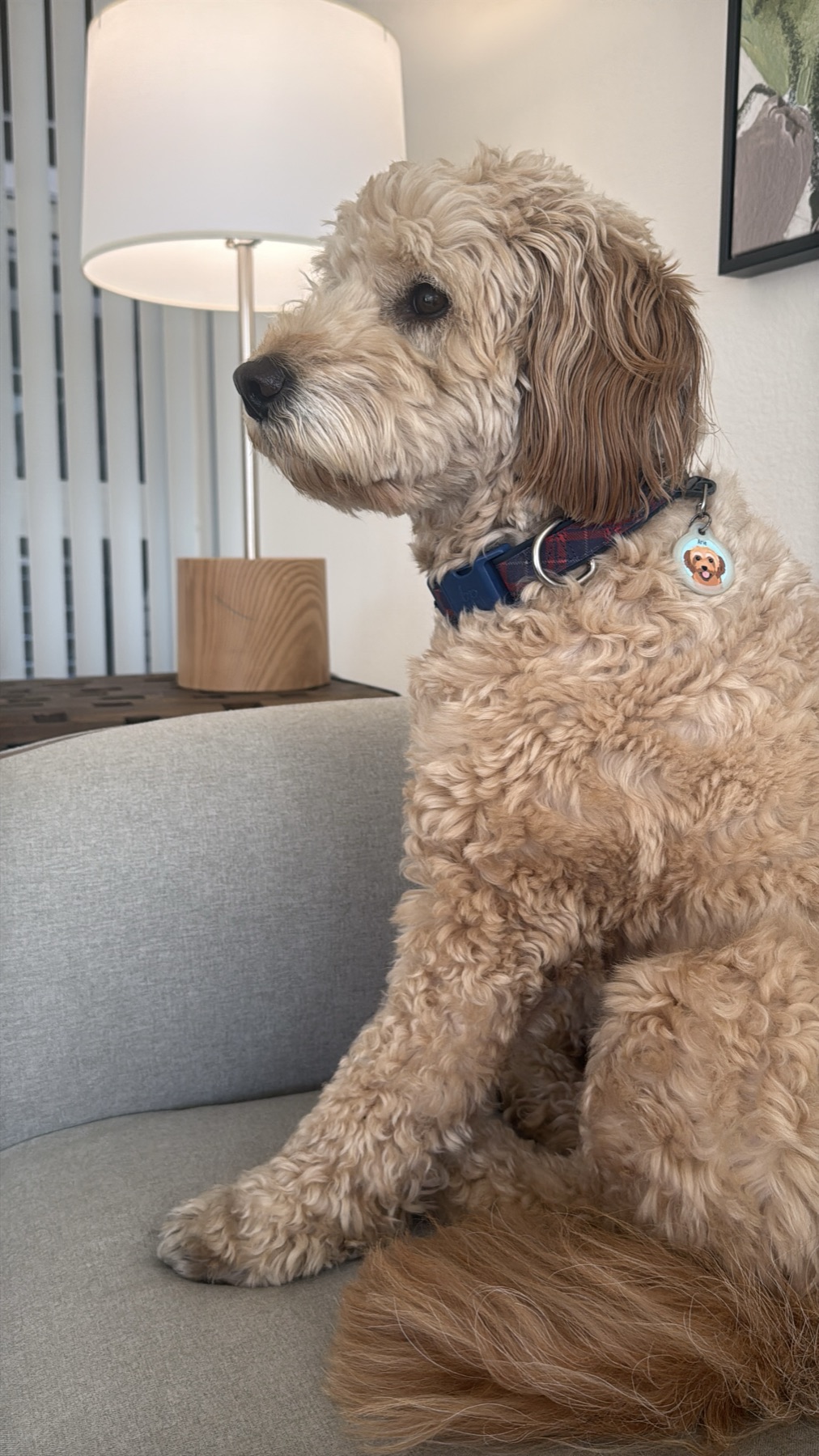
A first-generation cross between a purebred Golden Retriever and a purebred Poodle. These dogs have the most genetic variability — some will have wavy, looser coats that shed noticeably; others will have tighter coats that shed minimally. You don't fully know what you're getting with an F1 until the adult coat comes in around 12–14 months — though you can find out their exact coat genetics with an Embark DNA test long before then. Arie is largely F1, and his coat is decidedly wavy — there is visible shedding, especially in spring. If you're weighing puppy versus adult adoption and coat predictability is part of the decision, the Goldendoodle puppy vs. adult guide gets into exactly what the coat change means in practice.
F1B Goldendoodle (75% Poodle)
An F1 Goldendoodle crossed back with a Poodle. Higher Poodle content means tighter, curlier coats that shed far less noticeably. F1B dogs are the most common recommendation for people with allergies or strong feelings about dog hair on furniture. The trade-off: curlier coats mat more easily and need more frequent brushing and professional grooming.
F2 and Multigen
Second-generation and multigeneration Goldendoodles can go in any direction depending on which dogs were paired. Reputable multigen breeders select for specific coat types, so you can often get a more predictable result. If low-shedding is a priority, ask the breeder specifically about coat type, look at the parents' coats, and ask about the dog's grooming history.
F1: Variable — wavy to curly, moderate to low shedding
F1B: Usually curly, low shedding, more matting
F2/Multigen: Depends on breeding — ask the breeder specifically
Tighter coat = less shedding = more grooming maintenance. Always.
The Coat Blow: What Nobody Warns You About
Between roughly 6 and 14 months, your Goldendoodle will blow their puppy coat. The soft, low-maintenance puppy fluff transitions to the adult coat — and during this period, you will see more shedding, more matting, and more coat weirdness than at any other time in the dog's life.
The coat blow is temporary, but it's the period when most new Goldendoodle owners panic. The dog isn't sick. The coat isn't ruined. You just need to brush significantly more frequently (daily during peak transition) and probably book an extra professional grooming appointment to help manage the transition. The complete Goldendoodle grooming guide has the full brush schedule and tool recommendations — worth having ready before the coat blow hits.
Some adult Goldendoodles also experience a milder coat blow seasonally — usually in spring when they shed winter undercoat, and again in fall. If you notice dramatically more brushing resistance or loose hair in March/April, this is normal.
Where the Shedding Actually Goes
With a curlier Goldendoodle, the shed hair doesn't fall to the floor — it gets trapped in the coat. This is why your couch looks clean while your groomer is pulling out wads of loose undercoat at every appointment. The hair is still there; it's just staying on the dog rather than migrating to your furniture.
This is also exactly why matting happens. Loose dead hair trapped in the coat tangles with the live hair around it. Left unaddressed for even 2–3 weeks without brushing, this becomes a mat. Left longer, it becomes a pelted mat that can only be shaved off. The "hypoallergenic" trade-off has a maintenance cost, and that cost is measured in weekly brushing sessions. Regular bathing also helps move the dead coat out — the Goldendoodle bathing guide covers how often and what to do during high-shed periods specifically.
What We Actually Use
Chris Christensen Big G Slicker Brush — the brush that professional Goldendoodle groomers actually recommend
See it on Faves →Between Baths
TropiClean Tangle Remover Spray — makes brushing easier and dramatically reduces matting
See it on Faves →Managing Shedding Season
During peak shed periods — the puppy coat blow and seasonal transitions — here's what actually helps. Brush daily. Not three times a week, daily. Use a deshedding shampoo and conditioner at bath time. Keep up with professional grooming appointments — don't push them out past 8 weeks during coat blow. And accept that for a few months, this is just what life looks like.
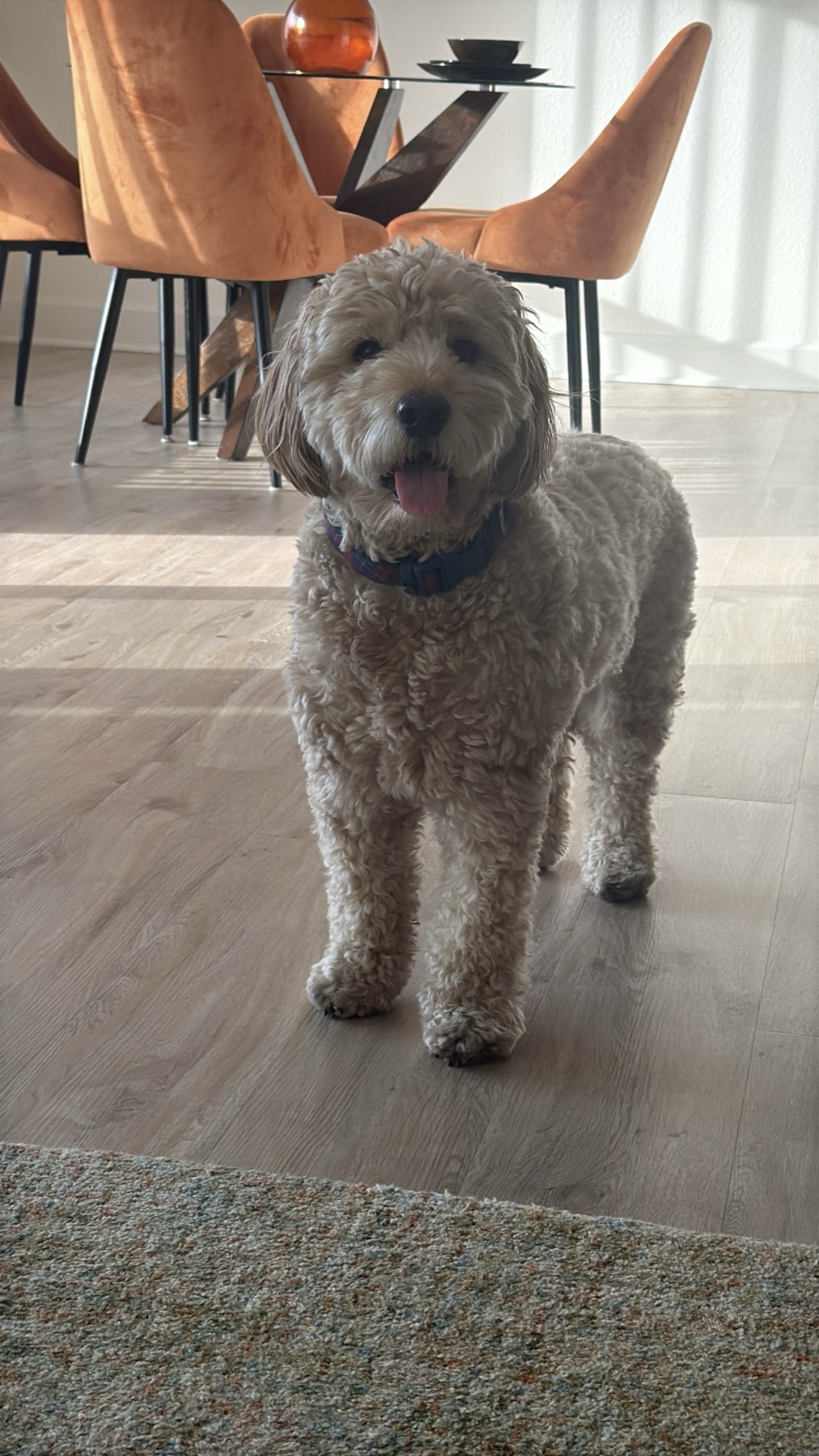
The upside: it ends. Adult Goldendoodle coats stabilize. The routine settles into something manageable. You figure out your dog's specific shedding patterns. Arie has a predictable spring coat change and is otherwise quite stable. We brush 4–5 times a week and see his groomer every 7–8 weeks. It works.
The Allergy Question
People often get Goldendoodles specifically because they or a family member has dog allergies, and the breed is marketed as "hypoallergenic." The honest answer: no dog is truly hypoallergenic. Allergies are triggered by the protein Can f 1, found in dog saliva, skin cells, and urine — not just fur. Less shedding means less dander spreading through your home, which can help allergy sufferers. But it's not a guarantee.
If allergies are the reason you're considering a Goldendoodle, spend a meaningful amount of time with the specific dog before committing. Some allergy sufferers do fine. Some don't. The generation and coat type matter here too — F1B and curlier-coated dogs tend to spread less dander. And if you notice ongoing skin reactions or unusual coat changes in your dog — excessive scratching, flaking, hot spots — that's worth a vet conversation sooner rather than later. Dutch Vet (affiliate link) is a telehealth service I've used for exactly this — licensed vets, on your phone, same day or next.
Frequently Asked Questions
Do Goldendoodles shed?
It depends on generation and coat type. F1B and multigen Goldendoodles with curlier coats shed minimally — loose hair gets trapped in the coat instead of falling on your furniture. F1 Goldendoodles with wavier coats shed more noticeably. No Goldendoodle is truly non-shedding.
What generation Goldendoodle sheds the least?
F1B Goldendoodles (75% Poodle) and F2B or multigen dogs with high Poodle content shed the least. Tighter, curlier coats trap hair rather than releasing it. The trade-off: they require more frequent brushing and grooming to prevent matting.
What is a Goldendoodle coat blow?
The transition from puppy coat to adult coat, happening between 6–14 months. Expect more shedding, matting, and coat texture changes during this period. Brush daily and book an extra grooming appointment. It's temporary.
Are Goldendoodles hypoallergenic?
No dog is truly hypoallergenic. Allergies are triggered by proteins in saliva and skin cells, not just fur. Goldendoodles may be lower-allergen than heavy-shedding breeds, but results vary. Spend time with the specific dog before committing if allergies are a concern.
How do I manage Goldendoodle shedding?
Brush 3–5x per week (daily during coat blow), bathe every 4–6 weeks, keep grooming appointments every 6–8 weeks, and use a detangling spray to make brushing easier. The right brush matters — a quality slicker brush is worth the investment.
Dutch Vet — Telehealth for $11/month
Skin issues, allergy flare-ups, coat changes that don't look right — these are exactly the questions I don't want to wait weeks for a vet appointment to answer. Dutch gets you a licensed vet on your phone in hours, not days, for $11/month.
Try Dutch Vet →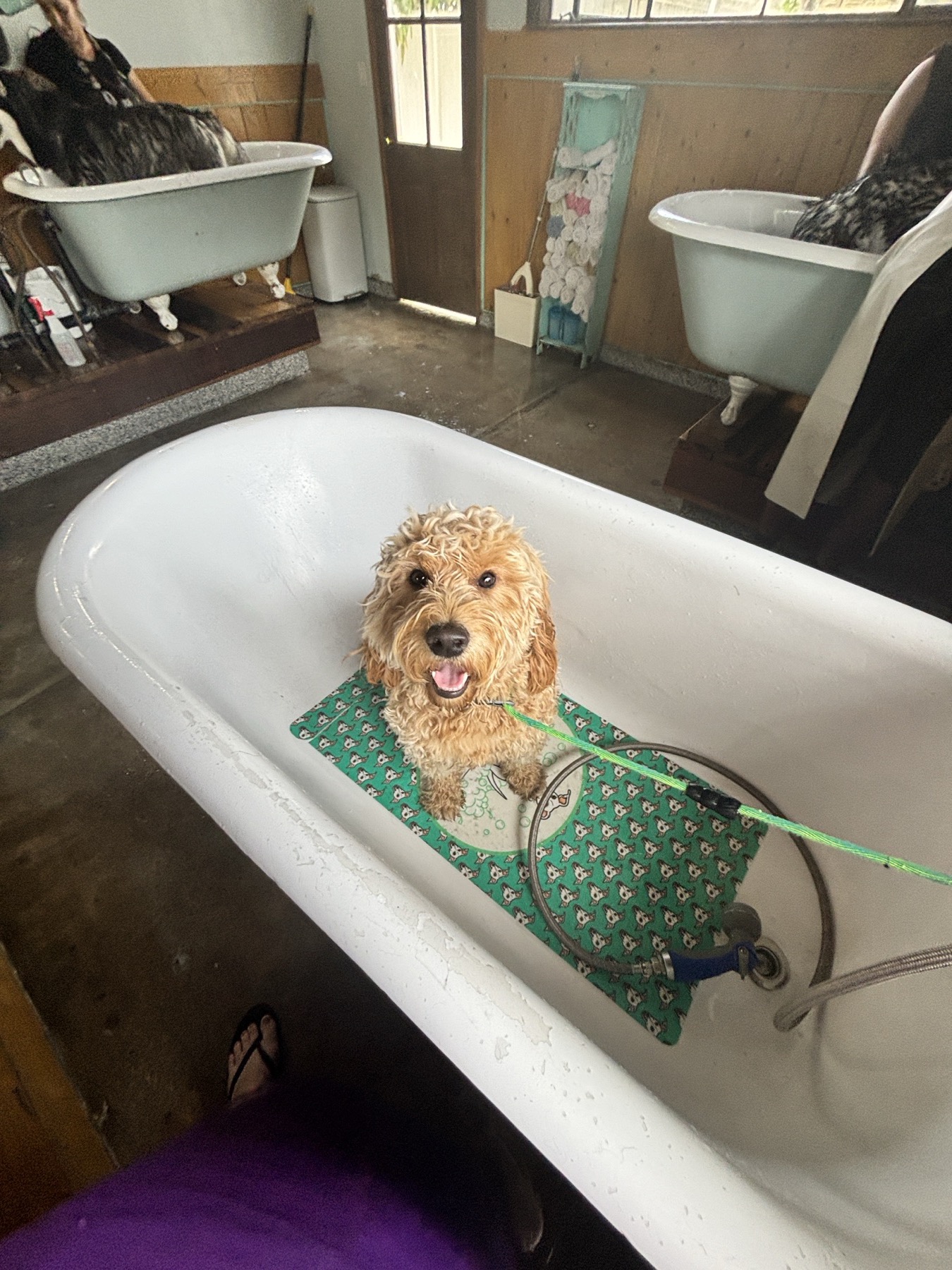
FREE GOLDENDOODLE GUIDE
Get the Goldendoodle Survival Guide
Everything I wish I'd known before getting Arie — coat truth, grooming reality, the 7pm witching hour, and more. Free PDF.
No spam. Ever. Unsubscribe anytime.
Have questions? Find us on TikTok @ariepup!
← Back to Blog