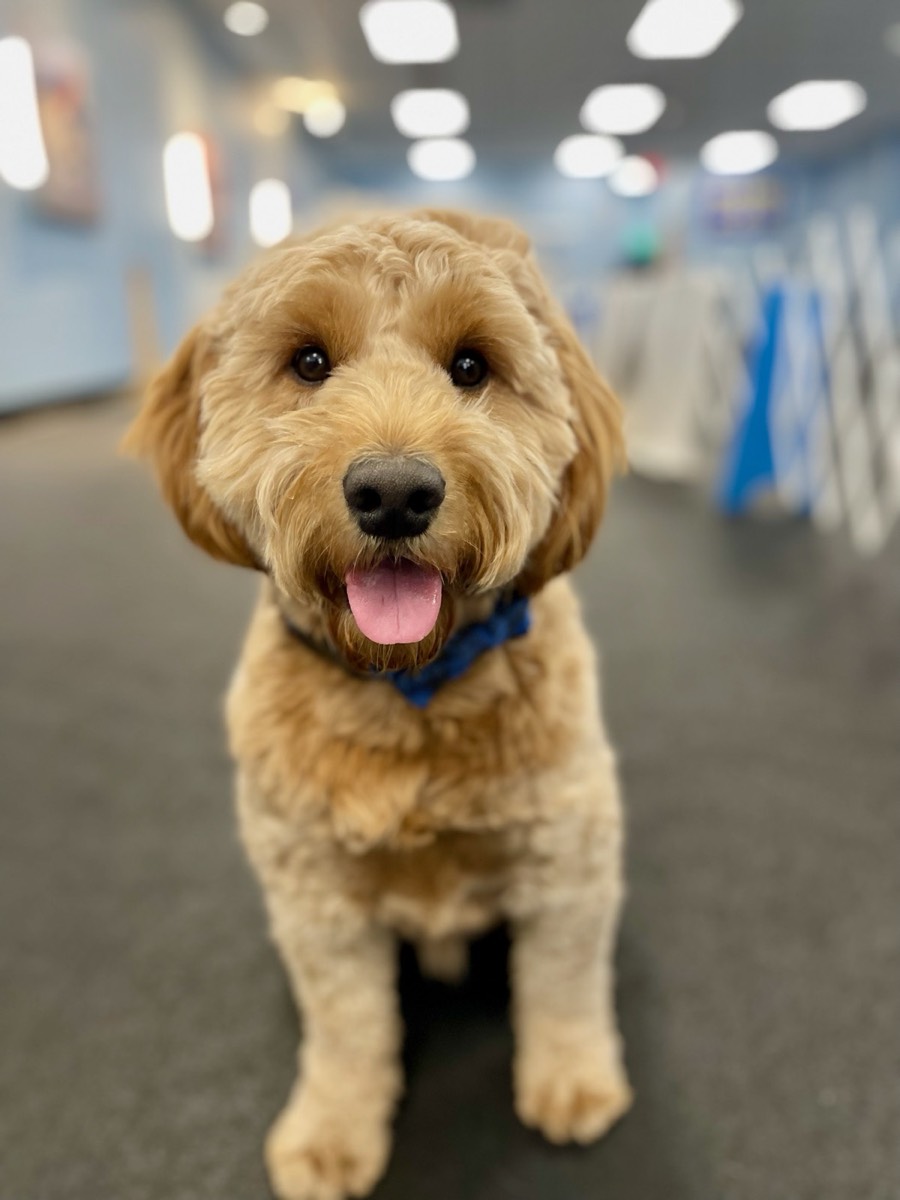
Nobody warns you that a big part of owning a Goldendoodle is monitoring two floppy, hairy tunnels on the sides of his head. Those ears are adorable, and they are also a small greenhouse for anything that likes warmth and moisture. Stay ahead of them and ear care is a two-minute chore. Ignore them and it becomes a red, smelly, head-shaking emergency that ends at the vet. Here is how to stay in the two-minute camp.
Jump to a section
Why Doodle Ears Are a Problem Area
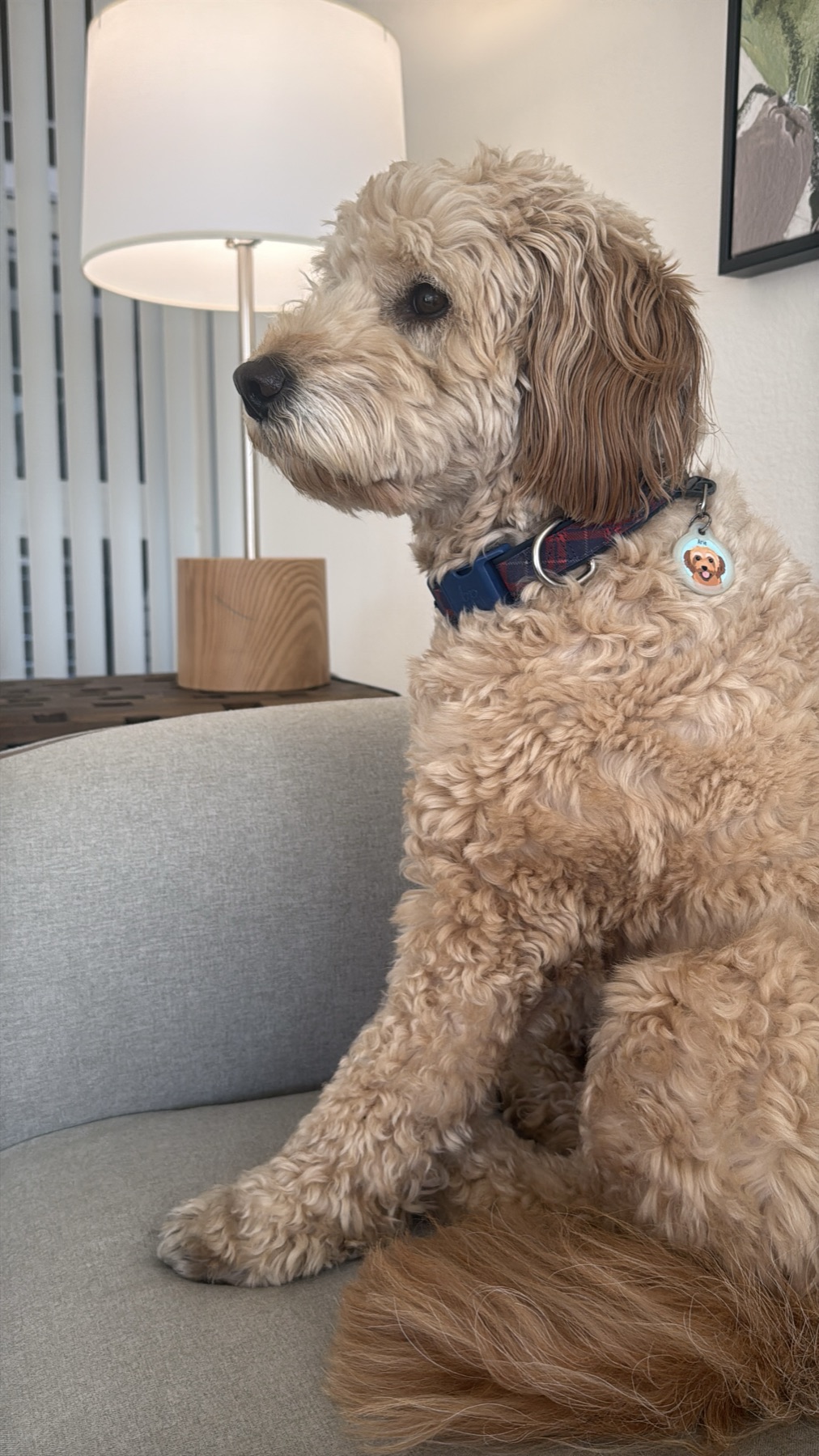
A Goldendoodle's ear is basically designed to hold trouble. The floppy flap lies down over the opening, so air does not circulate through the canal the way it does in a pricked-ear breed. On top of that, doodles grow hair down inside the canal itself. Warmth plus trapped moisture plus a dark, closed space is the exact environment yeast and bacteria are looking for, and your dog is providing it rent-free.
Now add the doodle lifestyle. These are dogs who love water, get bathed often because of the coat, and come home from the beach damp to the skin. Every one of those is a chance for water to sit in the canal and start a problem. The breed's best features, the ears and the coat, quietly stack the deck toward ear trouble.
How Often to Actually Clean Them
Here is the honest answer nobody likes: it depends on your dog. For a healthy doodle with no history of ear problems, a good starting rhythm is a quick clean about once a week to once every couple of weeks, plus a wipe-out any time he has been swimming or bathed. If your dog swims constantly, lives somewhere humid, or has a track record of infections, he lands on the more-often end.
The part people miss is that you can over-clean too. Scrubbing a perfectly healthy ear every day can dry out and irritate the canal, which invites the exact problem you were trying to prevent. Clean with a purpose, not out of anxiety, and if you are not sure where your dog falls, your vet can give you a number to work with.
How to Clean an Ear Without a Wrestling Match
You need a vet-approved dog ear cleaning solution, a handful of cotton balls or pads, and a towel, because there will be shaking. Do this somewhere you do not mind a little splatter, like the bathroom or the yard. Do not improvise with rubbing alcohol, hydrogen peroxide, or a random home remedy, and always check with your vet before you put anything new into your dog's ears.
The steps are simple. Lift the ear flap, squeeze the solution into the canal until it looks full, and then, without letting go, massage the base of the ear for a solid twenty to thirty seconds. You should hear a soft squishing sound, which means the cleaner is breaking up wax down where you cannot reach. Then step back and let your dog do the part he was born for: a full-body head shake that flings the loosened debris up and out. Finish by wiping the visible part of the ear, the flap and the opening, with a cotton ball. That is the whole job.
A basic bottle of dog ear cleaning solution is a couple of dollars and lasts months, so there is no reason to substitute something harsh. Pay your dog for holding still with a good treat after each ear, and the whole ritual gets easier every time.
The Cotton Swab Warning
Do not go spelunking with a cotton swab. It feels intuitive, like cleaning your own ears, but pushing a swab down into a dog's canal tends to pack debris deeper than it started and risks injuring the ear. The whole point of the solution-and-shake method is that it lifts gunk out from the inside without you jamming anything down there. Wipe only what you can plainly see. Everything past that is your dog's job and the cleaner's job, not the swab's.
Dry the ears after every swim and every bath. Gently blot the inside of the flap and the opening with a towel or cotton pad so water is not left sitting in a warm canal for hours. This single boring step prevents more ear infections than any product you can buy.
When It Is an Infection, Not Just Dirt
Routine cleaning handles normal wax and grime. It does not handle an actual infection, and trying to clean your way out of one just makes a painful ear hurt more. Learn the warning signs and take them seriously: redness or swelling inside the ear, a dark or crumbly discharge, a bad or yeasty smell, constant head shaking, pawing and scratching at one ear, or a head tilt to one side. Some dogs also go quiet and touchy about having their head handled.
If you see those, that is a vet visit, not a bigger bottle of cleaner. Ear infections need the right diagnosis and usually a prescription, because yeast and bacteria are treated differently, and a deep or ruptured issue needs a professional eye. Caught early, most ear infections are a minor, cheap fix. Left to fester, they turn into chronic, expensive, genuinely miserable ones. Recurring ear trouble also shows up on the list of things doodle owners deal with, which we cover in our rundown of Goldendoodle health issues worth knowing before you get one.
Preventing the Next One
Prevention is mostly unglamorous consistency. Dry the ears after water, do the two-minute clean on whatever schedule fits your dog, and actually look inside once a week so you notice a problem on day one instead of day ten. Keep the coat around the ears tidy, since a matted, soggy flap holds moisture against the canal. Whether to pluck the hair inside the ear is genuinely debated among vets and groomers, so that is a conversation for your own vet rather than a blanket rule from the internet.
The last piece is your groomer. A good groomer checks and cleans the ears at every appointment and will flag redness or smell before it becomes your problem, which is one more reason the relationship matters. If you are still shopping for one, our guide to finding a good dog groomer and spotting the red flags covers what to ask. Stay boring and consistent with the ears, and you mostly get to keep enjoying the floppy, ridiculous, extremely pettable version of them.
Frequently Asked Questions
How often should I clean my Goldendoodle's ears?
For a healthy Goldendoodle with no history of ear problems, roughly once a week to once every couple of weeks is a common starting point. If your dog swims a lot, lives somewhere humid, or has had infections before, you may need to clean more often. Do not over-clean either, since scrubbing a healthy ear daily can dry out and irritate the canal. Ask your vet what schedule fits your dog.
Why are Goldendoodles so prone to ear infections?
Goldendoodles have floppy ears that cover the canal and hair that grows down inside it, which traps warmth, wax, and moisture. That combination is exactly what yeast and bacteria want. Add frequent swimming and baths and you get a breed that needs regular ear attention to stay ahead of problems.
Can I use a cotton swab in my dog's ear?
Do not push a cotton swab down into the ear canal. You risk packing debris deeper or injuring the ear. Use a vet-approved ear cleaning solution, massage the base of the ear, let your dog shake, and then wipe only the parts of the ear you can easily see with a cotton ball or pad.
How do I know if my dog has an ear infection?
Common signs include redness, swelling, dark or smelly discharge, constant head shaking, scratching at the ear, or tilting the head to one side. An ear infection needs a vet, not more home cleaning. Cleaning an already infected ear can make it hurt worse without treating the cause.
Should I pluck the hair inside my Goldendoodle's ears?
This one is genuinely debated. Some groomers and vets remove ear hair to improve airflow, while others feel plucking irritates the canal and can invite infection. There is no single right answer for every dog, so talk to your own vet or groomer about what makes sense for your Goldendoodle rather than following a blanket rule.
FREE GOLDENDOODLE GUIDE
Get the Goldendoodle Survival Guide
Everything I wish I'd known before getting Arie. Beach gear, grooming reality, the 7pm witching hour, and more. Free PDF.
No spam. Ever. Unsubscribe anytime.
Have questions? Find us on TikTok @ariepup!
← Back to the Blog